

Data products are how organisations turn raw data into something useful, reusable, and valuable. They can take many forms, from datasets and dashboards to machine learning models and platforms. But building a successful data product is far more complex than simply packaging data and making it available.
From the very beginning, data products require careful planning, clear ownership, and thoughtful design. Without a strong lifecycle approach, they often fail to meet expectations or deliver real value.
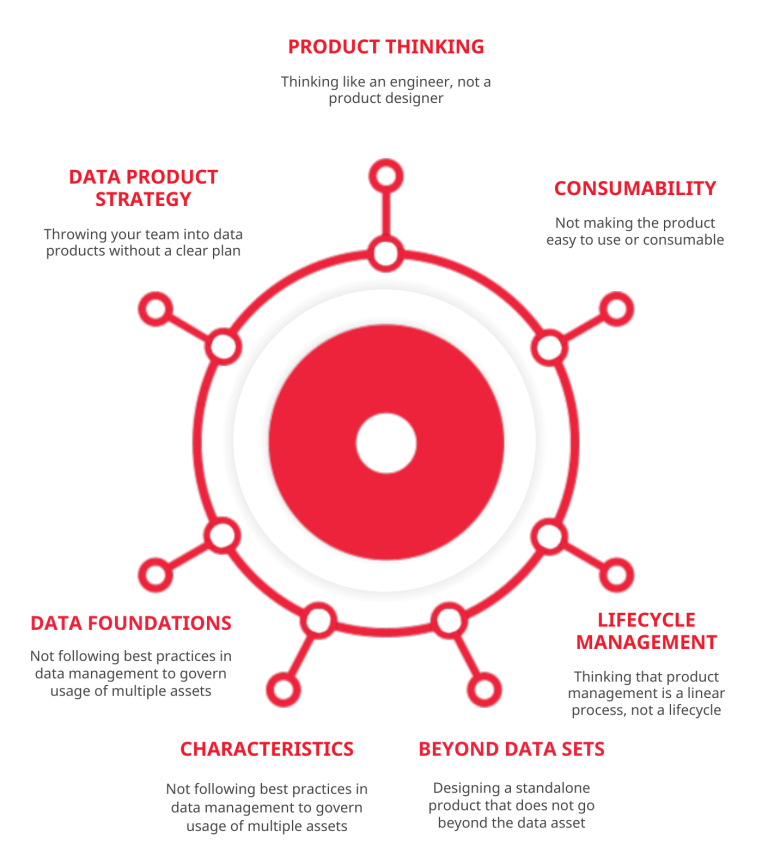
Product thinking is essential. It ensures data products are designed around real user needs, not just technical requirements. By understanding how people want to use data and what problems they are trying to solve, organisations can bridge the gap between data engineering and user experience.
Metadata plays a crucial role in quality and trust. Clear definitions, permissions, usage guidance, and support information help users understand, access and confidently rely on data products. Just as importantly, data products must be easy to find, deploy, and use, without sacrificing reliability or integrity.
Most data products are built from multiple data assets working together, forming a supply chain that must be managed carefully. A clear data product strategy, aligned with business goals and data governance, helps organisations scale successfully, avoid costly mistakes and unlock the full value of their data.
Need help building data products? Talk to us at Ortecha.
| Cookie | Duration | Description |
|---|---|---|
| cookielawinfo-checkbox-analytics | 11 months | This cookie is set by GDPR Cookie Consent plugin. The cookie is used to store the user consent for the cookies in the category "Analytics". |
| cookielawinfo-checkbox-functional | 11 months | The cookie is set by GDPR cookie consent to record the user consent for the cookies in the category "Functional". |
| cookielawinfo-checkbox-necessary | 11 months | This cookie is set by GDPR Cookie Consent plugin. The cookies is used to store the user consent for the cookies in the category "Necessary". |
| cookielawinfo-checkbox-others | 11 months | This cookie is set by GDPR Cookie Consent plugin. The cookie is used to store the user consent for the cookies in the category "Other. |
| cookielawinfo-checkbox-performance | 11 months | This cookie is set by GDPR Cookie Consent plugin. The cookie is used to store the user consent for the cookies in the category "Performance". |
| viewed_cookie_policy | 11 months | The cookie is set by the GDPR Cookie Consent plugin and is used to store whether or not user has consented to the use of cookies. It does not store any personal data. |
